Home of the Future exhibition at LACMA showcases six decades of domestic utopias, from self-cleaning kitchens to countercultural computers
The Los Angeles County Museum of Art opens ‘Home of the Future, 1925-1985: Designing Domestic Utopias’ and the companion ‘The Kitchen and Its Discontents’ to examine mid-century design fantasies, their social impact, and the exclusions they entailed
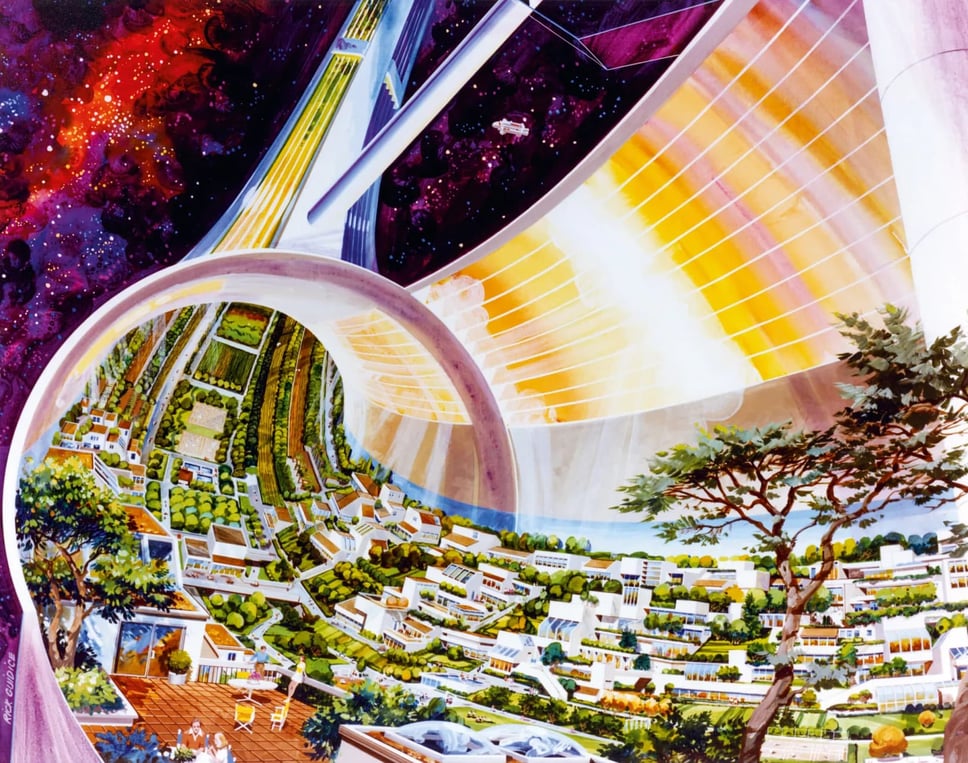
The Los Angeles County Museum of Art has launched a two-part program that looks back at the bold promises of American domestic design between 1925 and 1985. The main show, “Home of the Future, 1925-1985: Designing Domestic Utopias,” uses architectural models, vintage advertisements, photographs, films and everyday objects, from sinks to television sets, to trace how the idea of a futuristic home was imagined, marketed and sold. A companion pocket exhibition, “The Kitchen and Its Discontents,” brings two seminal modernist kitchens into dialogue, highlighting how design was also a site of gendered labor politics. Both exhibitions run through March 14, 2027 and are housed in LACMA’s Resnick Pavilion.
Visitors can wander through four chronological sections that overlap and flow into one another, each revealing a different facet of the American optimism-and-anxiety cycle that shaped mid-century life. The program is supported by Getty, the Attanasio family and the David Bohnett Foundation, and a richly illustrated catalogue is available from DelMonico Books. Tickets are sold through the museum’s online portal.
Mechanized optimism and the plastic paradise of the mid-century
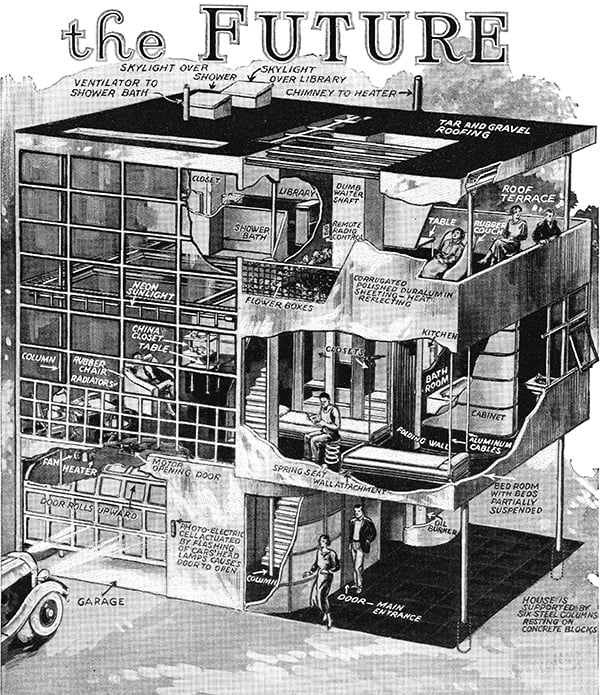
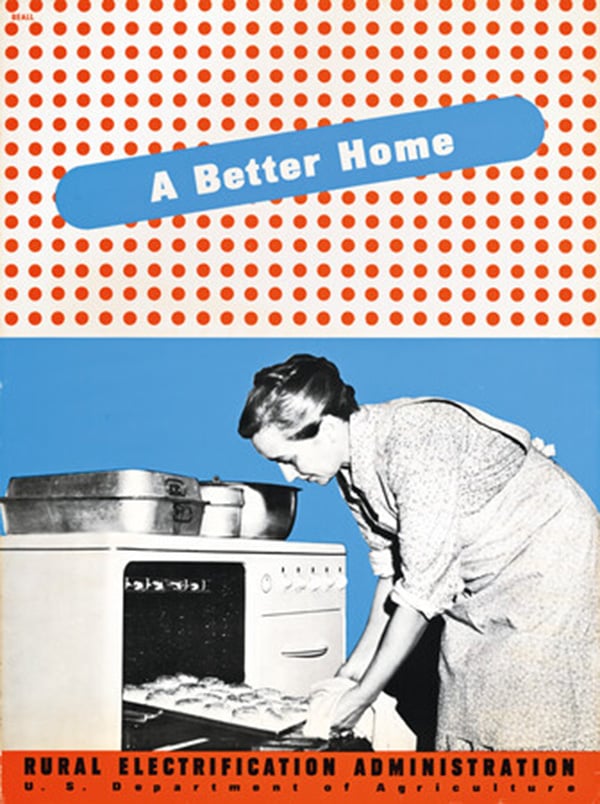
The first section, 1925-1945: Health, Efficiency and Mechanization, displays speculative fantasies such as a self-cleaning house and flying cars that proliferated as electrification reshaped rural America. War-time material innovations, new alloys, radio and telephone networks, are presented alongside early labor-saving gadgets that promised a healthier, more efficient domestic routine.
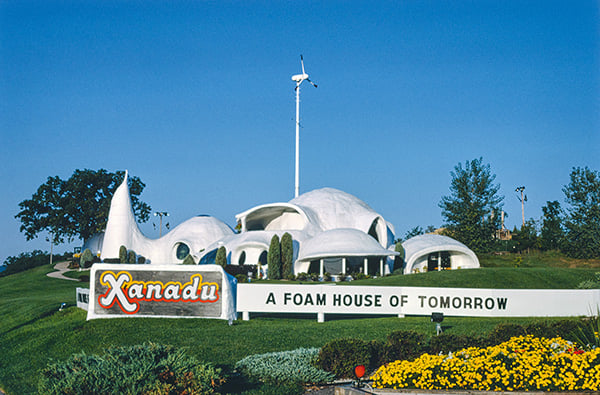
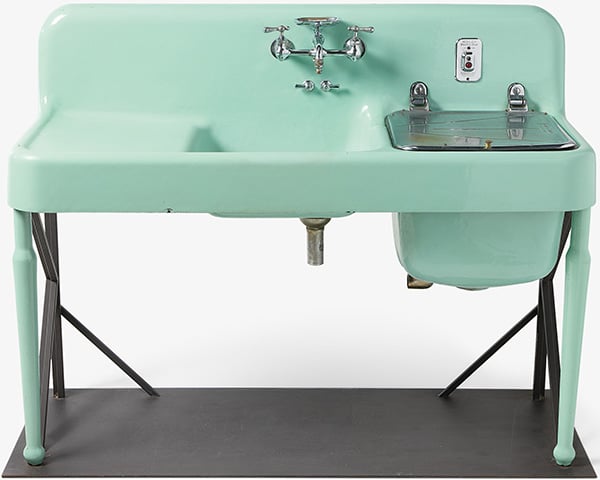
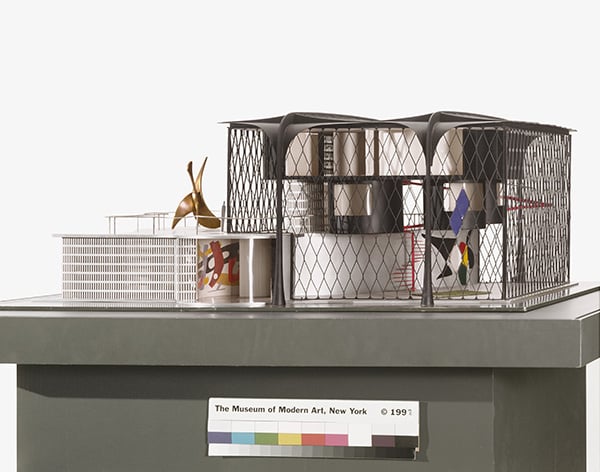
The second section, 1945-1965: Plastics, Push Buttons and Prefabrication, illustrates a consumer paradise for the burgeoning middle class. Objects in pastel décor, push-button appliances and two-tone sedans fill suburban garages. The exhibition highlights iconic designers, Charles and Ray Eames, George Nelson, Henry Dreyfuss, whose work still feels timeless. Models such as Buckminster Fuller’s Dymaxion House and Mies van der Rohe’s Farnsworth House sit beside low-brow artifacts like Barbie’s Dream House and the Monsanto House of the Future, which spent a decade at Disneyland.
Cold-war shelters, counterculture and the rise of the computer
The third section, 1950-1970: The Cold Was Command Center, visualises the home as a bunker against nuclear attack and other existential threats. Film clips, magazine spreads and design sketches reveal how architects and product designers responded to a climate of anxiety, offering underwater or space-age living concepts that promised safety through technology.
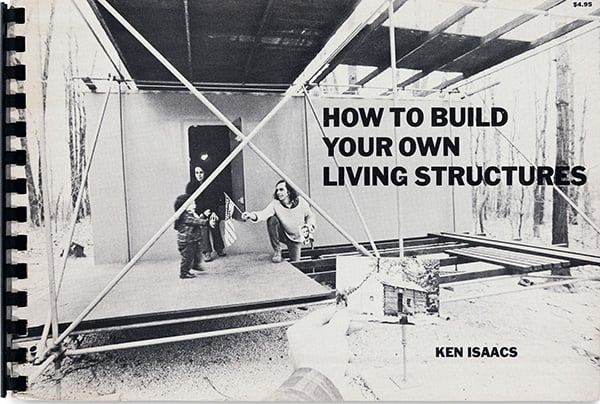
The concluding section, 1965-1985: The Counterculture and the Computer, moves from the Whole Earth Catalogue and hippie communes to Apple’s first Macintosh and the wired age we now inhabit. Parallel to this high-design narrative, the pocket show “The Kitchen and Its Discontents” examines Margarete Schütte-Lihotzky’s Frankfurt kitchen and Le Corbusier-Charlotte Perriand’s modular kitchen for L’Unité d’Habitation, both intended to reduce women’s domestic labor while exposing the tensions that persisted in everyday life.
Los Angeles has long been a laboratory for bold housing experiments, from post-war tract homes to today’s smart-city pilots. By unpacking the optimism, exclusion and eventual disillusionment of mid-century domestic utopias, LACMA’s exhibition offers Angelenos a lens to critique current tech-driven housing promises and to imagine more inclusive, sustainable futures for our sprawling metropolis.